


Introduction
Learning how to start investing while building cash savings is one of the most important financial skills you can develop early in life. Many beginners think they must choose between saving money or investing it, but in reality, both should work together. When done correctly, you can build a strong emergency fund while also growing your wealth through smart investing decisions.
The idea behind how to start investing while building cash savings is simple: you protect your financial safety first, while slowly putting your money into assets that grow over time. This balanced approach reduces risk and helps you avoid financial stress when unexpected expenses appear.
Most people delay investing because they believe they need a large amount of money. Others focus only on saving and miss opportunities for long-term growth. The truth is, you can start small with discipline and consistency.
In this guide, you will learn how to start investing while building cash savings step by step. You will also understand why this approach matters, what mistakes to avoid, and how to create a strategy that fits your lifestyle. Whether you are a beginner or someone trying to improve your financial habits, this article will help you move in the right direction.
What is How to Start Investing While Building Cash Savings?
How to start investing while building cash savings refers to a financial strategy where you simultaneously save money for safety and invest money for long-term growth. Instead of waiting to save a large amount before investing, you divide your income into two parts: one for savings and one for investments.
Cash savings usually include money stored in a bank account or emergency fund. This money is easily accessible and used for urgent needs like medical expenses, job loss, or unexpected repairs. Investing, on the other hand, involves putting money into assets like stocks, mutual funds, ETFs, or retirement accounts to grow your wealth over time.
The goal of how to start investing while building cash savings is to balance safety and growth. Savings protect you from financial emergencies, while investments help you beat inflation and build long-term wealth.
This approach is especially useful for beginners who want financial stability without missing out on future opportunities. It encourages discipline, consistency, and smart money management.
Why is How to Start Investing While Building Cash Savings Important?
Understanding how to start investing while building cash savings is important because it helps you create financial stability while growing your wealth at the same time. Many people struggle because they either save too much without investing or invest too aggressively without safety backup.
One of the biggest reasons this strategy is important is financial security. Having cash savings ensures you are prepared for emergencies. Without savings, you may be forced to sell investments at the wrong time, which can lead to losses.
Another reason is long-term growth. Inflation reduces the value of money over time, so saving alone is not enough. Investing helps your money grow faster than inflation, protecting your future purchasing power.
It also builds financial discipline. When you follow how to start investing while building cash savings, you learn to manage income, control spending, and make better financial decisions.
Finally, it reduces stress. Knowing you have both savings and investments gives you confidence and financial peace of mind.
Detailed Step-by-Step Guide
Step 1: Build a Basic Emergency Fund First
The first step in how to start investing while building cash savings is creating an emergency fund. This fund should cover at least 3 to 6 months of basic expenses like rent, food, bills, and transportation.
Start small if needed. Even saving a small percentage of your income consistently can build a strong foundation over time. Keep this money in a safe and easily accessible account.
Step 2: Set a Monthly Savings and Investment Ratio
Next, decide how much of your income will go into savings and how much into investments. A common beginner approach is 70% spending, 20% saving, and 10% investing, or adjusting based on your income level.
This structure helps you practice how to start investing while building cash savings without financial pressure. As your income grows, you can increase your investment percentage.
Step 3: Automate Your Savings and Investments
Automation makes financial discipline easier. Set up automatic transfers from your salary account into savings and investment accounts.
This removes emotional decision-making and ensures consistency. Over time, this habit becomes the foundation of how to start investing while building cash savings effectively.
Step 4: Start with Low-Risk Investments
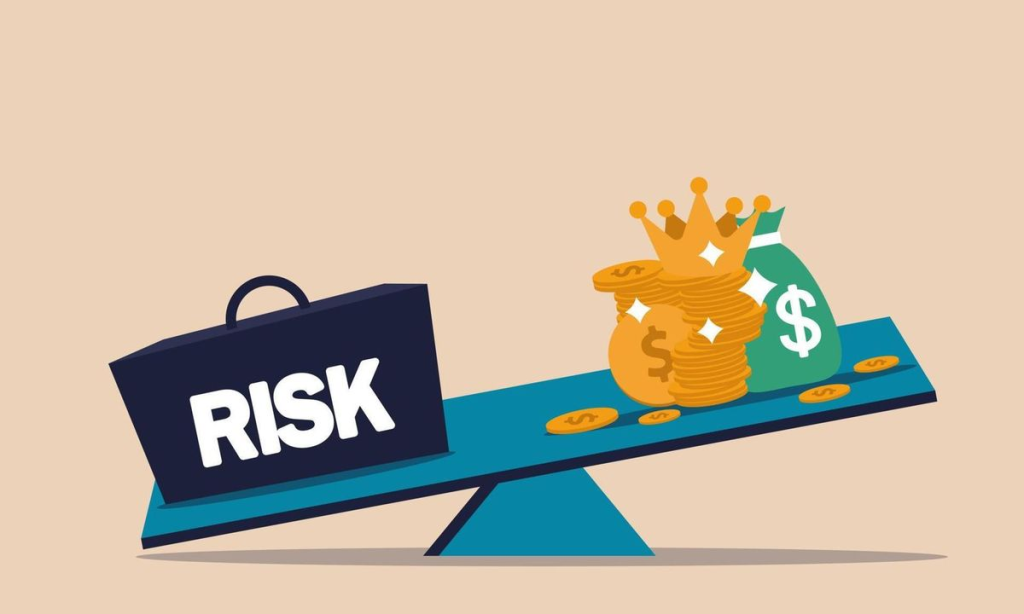
As a beginner, focus on low-risk investment options such as index funds, ETFs, or balanced mutual funds. These options reduce risk while providing steady growth.
Avoid high-risk trading in the beginning. The goal is stability, not quick profit.
Step 5: Increase Investments Gradually
Once your emergency fund grows and you feel financially stable, slowly increase your investment amount. This allows your wealth to grow faster while maintaining safety.
This gradual approach is key in how to start investing while building cash savings because it avoids financial stress.
Step 6: Track Your Progress Regularly
Review your savings and investments every month. Check your goals, expenses, and returns. Adjust your plan if needed.
Tracking helps you stay motivated and improves decision-making.
Benefits of How to Start Investing While Building Cash Savings
- Builds financial security for emergencies
- Helps grow wealth over time through investments
- Reduces financial stress and uncertainty
- Encourages disciplined money habits
- Protects against inflation
- Creates long-term financial independence
- Improves budgeting and planning skills
Disadvantages / Risks
- Requires discipline and consistency
- Slow initial investment growth
- Emotional pressure during market fluctuations
- Risk of under-investing if too focused on savings
- Requires financial knowledge and learning
Common Mistakes to Avoid
Many beginners make mistakes when learning how to start investing while building cash savings. One common mistake is investing without an emergency fund. This can force you to sell investments during emergencies.
Another mistake is ignoring investments completely and focusing only on savings. This reduces long-term wealth growth due to inflation.
Some people also try to time the market or chase quick profits. This often leads to losses and frustration.
Overspending is another issue. Without proper budgeting, both savings and investments suffer.
Finally, not reviewing your financial plan regularly can slow your progress.
FAQs
1. How much should I save before investing?
You should aim for at least 3 to 6 months of expenses in savings before aggressive investing, but you can start small investments earlier.
2. Can I invest with a small income?
Yes, even small amounts can be invested. Consistency matters more than the amount.
3. What is the safest investment for beginners?
Index funds, ETFs, and diversified mutual funds are considered safer options for beginners.
4. Should I stop saving once I start investing?
No, both savings and investments should continue together for financial balance.
5. How long does it take to build financial stability?
It depends on income, discipline, and consistency, but most people see strong progress in 1 to 3 years.
6. Is investing risky for beginners?
All investments carry some risk, but starting with low-risk options reduces potential losses.
Expert Tips & Bonus Points
Experts suggest always prioritizing financial security first. When learning how to start investing while building cash savings, avoid rushing into complex investments.
Start simple and increase complexity as your knowledge grows. Focus on long-term goals instead of short-term gains.
Reinvest your returns whenever possible to maximize compound growth. Keep your expenses under control so you can save and invest more.
Another important tip is continuous learning. Financial markets change, so staying informed helps you make better decisions.
Conclusion
Understanding how to start investing while building cash savings is one of the smartest financial strategies for long-term success. It allows you to protect yourself from emergencies while also growing your wealth steadily over time.
Instead of choosing between saving and investing, this approach combines both in a balanced way. You build a strong financial foundation through savings while using investments to fight inflation and grow wealth.
The key to success is discipline, consistency, and patience. Start small, stay consistent, and gradually
