


Introduction
The financial world is evolving faster than ever, and one of the biggest forces behind this change is digital banking trends changing customer experience. Today’s customers expect banking to be fast, simple, and available anytime on their phones. Traditional banking methods are no longer enough to meet these expectations. Banks are now competing on technology, convenience, and personalization rather than just interest rates or branch networks. Digital banking trends changing customer experience are reshaping how people interact with money, make payments, apply for loans, and manage their finances. From mobile apps to artificial intelligence, every innovation is designed to make banking smoother and more user-friendly. Customers no longer want to wait in long queues or fill out complex paperwork. Instead, they want instant access and real-time solutions. In this article, we will explore the most important digital banking trends changing customer experience, why they matter, and how they are shaping the future of financial services. You will also learn about benefits, risks, and expert insights that explain where banking is heading in the coming years.
What is Digital Banking Trends Changing Customer Experience?
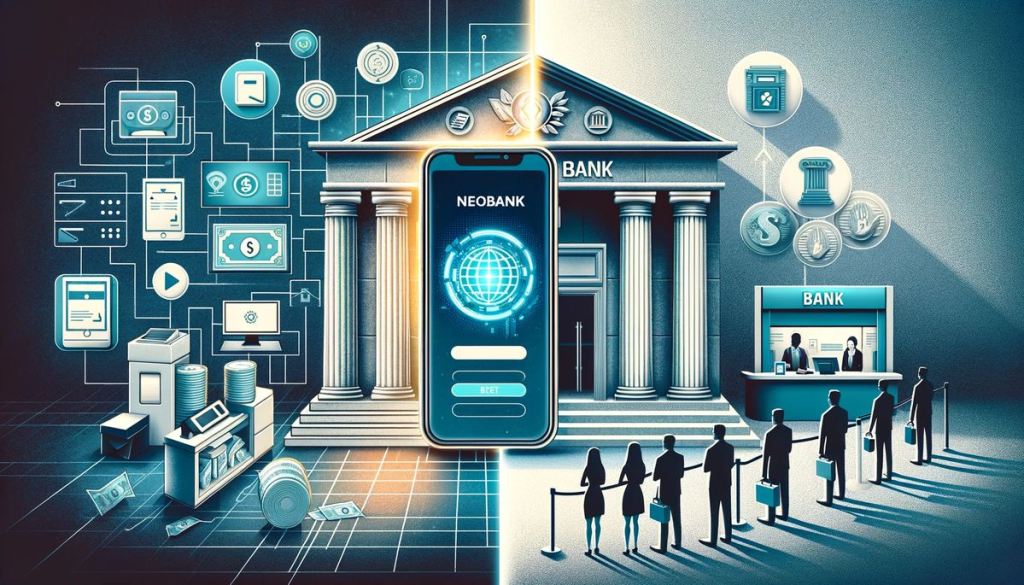
Digital banking trends changing customer experience refer to the latest technological advancements that improve how customers interact with banks and financial services. These trends include mobile banking apps, AI chatbots, digital wallets, blockchain systems, and personalized financial tools. The main goal is to make banking more accessible, faster, and more convenient for users. Instead of visiting physical branches, customers can now complete most banking tasks online or through mobile devices. This shift is driven by customer demand for speed and simplicity. Banks are also using data analytics to understand customer behavior and offer tailored financial solutions. For example, a user who frequently saves money may receive personalized investment suggestions. These innovations are not just about technology but about improving the overall banking experience. As competition increases, financial institutions are investing heavily in digital tools to stay relevant. In simple terms, digital banking trends changing customer experience are transforming traditional banking into a fully digital, customer-centered ecosystem.
Why is Digital Banking Trends Changing Customer Experience Important?
The importance of digital banking trends changing customer experience lies in how they redefine customer expectations and business operations. Modern customers demand 24/7 access to their financial services, and digital solutions make this possible. Banks that fail to adapt risk losing customers to more innovative competitors. These trends also improve efficiency by reducing operational costs and minimizing human errors. For customers, it means faster transactions, better security, and more personalized services. For banks, it leads to higher customer satisfaction and loyalty. Another key reason is financial inclusion. Digital banking allows people in remote areas to access banking services without needing a physical branch. This is especially important in developing regions. Additionally, these trends support better decision-making through real-time data and analytics. Overall, digital banking trends changing customer experience are important because they bridge the gap between traditional banking and modern digital expectations, creating a more connected financial ecosystem.
Detailed Step-by-Step Guide
Step 1: Mobile-First Banking Transformation
Mobile banking is at the center of digital banking trends changing customer experience. Banks are focusing on creating smooth and user-friendly mobile apps that allow customers to manage accounts, transfer money, and pay bills easily. These apps are designed for speed and convenience, ensuring users can complete tasks within seconds. Mobile-first banking also includes biometric authentication like fingerprint and face recognition for added security.
Step 2: Artificial Intelligence Integration
AI is one of the strongest drivers of digital banking trends changing customer experience. Banks use AI chatbots to handle customer queries instantly without human support. AI also helps detect fraud, analyze spending patterns, and offer financial advice. For example, if a customer spends too much on dining, AI can suggest budgeting tips.
Step 3: Personalized Banking Services
Personalization is becoming a major focus. Banks analyze customer data to provide tailored financial products. This includes customized loan offers, savings plans, and investment recommendations. Personalization improves engagement and builds stronger customer relationships.
Step 4: Digital Wallet and Cashless Payments
Digital wallets like Apple Pay, Google Pay, and bank-specific apps are changing how people pay for goods and services. These tools allow instant and secure transactions without physical cash. This shift is a major part of digital banking trends changing customer experience.
Step 5: Blockchain and Security Enhancements
Blockchain technology improves transparency and security in banking transactions. It reduces fraud risks and ensures data integrity. Banks are adopting blockchain for secure cross-border payments and record-keeping systems.
Benefits of Digital Banking Trends Changing Customer Experience
- Faster and more convenient banking services
- 24/7 access to financial accounts
- Improved security with advanced authentication
- Personalized financial recommendations
- Reduced need for physical branch visits
- Lower operational costs for banks
- Better financial inclusion for remote users
- Real-time transaction tracking
- Enhanced customer satisfaction and loyalty
- Eco-friendly banking with reduced paper usage
Disadvantages / Risks
- Cybersecurity threats and hacking risks
- Dependence on internet connectivity
- Technical glitches in mobile apps
- Lack of digital literacy among some users
- Privacy concerns related to data usage
- Reduced human interaction in banking services
- System downtime affecting transactions
- High implementation costs for banks
- Risk of identity theft
- Over-reliance on automation systems
Common Mistakes to Avoid
One common mistake banks make is focusing only on technology without improving user experience. Even advanced systems can fail if they are difficult to use. Another mistake is ignoring cybersecurity measures, which can lead to serious data breaches. Banks also sometimes overlook customer feedback, which is essential for improving digital services. Poor mobile app design is another issue that reduces user engagement. Additionally, not providing proper digital education to customers can limit adoption. Some institutions also fail to integrate all services into a single platform, making the experience fragmented. Avoiding these mistakes is essential for successfully implementing digital banking trends changing customer experience and ensuring long-term growth.
FAQs
1. What are digital banking trends changing customer experience?
They are modern technologies and innovations that improve how customers interact with banks, making services faster, easier, and more personalized.
2. How do these trends improve banking services?
They enhance speed, security, and convenience while reducing the need for physical branch visits and manual processes.
3. Is mobile banking part of these trends?
Yes, mobile banking is one of the most important elements of digital banking trends changing customer experience.
4. Are digital banking systems safe?
Most systems use advanced security like encryption and biometrics, but users must also follow safe practices.
5. What role does AI play in digital banking?
AI helps in fraud detection, customer support, and providing personalized financial advice based on user behavior.
6. Will traditional banking disappear?
Not completely, but it will continue to shrink as digital banking becomes the preferred choice for most users.
Expert Tips & Bonus Points
Experts suggest that banks should focus on user-friendly design when implementing digital solutions. Simplicity is more important than complexity. Another tip is to invest in strong cybersecurity systems to protect customer data. Banks should also regularly update their mobile apps to fix bugs and improve performance. Encouraging customer feedback is essential for continuous improvement. Financial institutions should also educate users about digital tools to increase adoption rates. Combining AI with human support can create a balanced and efficient system. Finally, banks should focus on building trust because digital banking trends changing customer experience depend heavily on customer confidence and satisfaction.
Conclusion
The financial industry is going through a major transformation driven by digital banking trends changing customer experience. These trends are not just improving banking systems but completely redefining how people interact with money. From mobile banking apps to artificial intelligence and blockchain, every innovation is designed to make banking faster, safer, and more personalized. Customers now expect instant access to their financial services, and banks are responding by investing heavily in digital solutions. While there are challenges such as cybersecurity risks and technical issues, the benefits clearly outweigh the drawbacks. Convenience, speed, and personalization are becoming the new standards in banking. As technology continues to evolve, the future of banking will become even more digital and customer-focused. Institutions that embrace these changes will stay competitive, while others may struggle to survive. Ultimately, digital banking trends changing customer experience are shaping a smarter, more connected, and more efficient financial world for everyone.
