


Introduction
In today’s digital world, managing finances online has become the norm. From checking balances to transferring funds, online banking offers speed and convenience. However, this convenience also comes with risks. Cybercriminals are constantly developing new ways to steal sensitive information, making it essential to follow the best bank security habits to protect online banking logins. Without proper precautions, even a small mistake can lead to serious financial loss.
For beginners and intermediate users, understanding how to secure your banking information may feel overwhelming at first. Still, it does not have to be complicated. By adopting simple yet effective habits, you can significantly reduce the chances of unauthorized access to your account. These habits are not just for tech experts; they are practical steps anyone can follow daily.
Moreover, staying informed about common threats such as phishing, malware, and weak passwords can make a big difference. As technology evolves, so do the tactics used by attackers. Therefore, learning and applying the best bank security habits to protect online banking logins is no longer optional but necessary. In this guide, you will discover clear, actionable steps to keep your financial data safe while enjoying the benefits of digital banking.
What is Best Bank Security Habits to Protect Online Banking Logins?
The term best bank security habits to protect online banking logins refers to a set of practices designed to keep your banking credentials safe from unauthorized access. These habits include everything from creating strong passwords to using secure internet connections and enabling additional layers of protection.
In simple terms, it means taking responsibility for your own digital safety. While banks invest heavily in security systems, users also play a crucial role. If you use weak passwords or click on suspicious links, even the most secure system can be compromised.
These habits are not one-time actions. Instead, they are ongoing practices that should become part of your routine. For example, regularly updating passwords, monitoring account activity, and avoiding public Wi-Fi for banking are all essential behaviors.
Ultimately, following the best bank security habits to protect online banking logins ensures that your personal and financial information remains safe from cyber threats.
Why is Best Bank Security Habits to Protect Online Banking Logins Important?
Understanding the importance of these habits can motivate you to take them seriously. Financial fraud is increasing worldwide, and online banking users are often the primary targets.
First, your bank account contains sensitive information such as your identity details, transaction history, and funds. If compromised, this data can be misused for identity theft or unauthorized transactions.
Second, recovering from fraud can be stressful and time-consuming. Even if the bank refunds your money, the process may involve paperwork and delays.
Additionally, cybercriminals often target individuals who lack awareness. By practicing the best bank security habits to protect online banking logins, you make yourself a harder target. This reduces the likelihood of attacks and increases your overall confidence when using online services.
In short, these habits protect not only your money but also your peace of mind.
Detailed Step-by-Step Guide
Create Strong and Unique Passwords
A strong password is your first line of defense. Avoid using common words, names, or simple number combinations. Instead, create passwords that include:
- Uppercase and lowercase letters
- Numbers
- Special characters
For example, instead of “password123,” use something like “B@nkS3cure!92”. Also, never reuse the same password across multiple accounts.
Enable Two-Factor Authentication (2FA)
Two-factor authentication adds an extra layer of security. Even if someone gets your password, they cannot access your account without a second verification step, such as a code sent to your phone.
Most banks offer this feature, so make sure it is activated. It is one of the most effective best bank security habits to protect online banking logins.
Avoid Public Wi-Fi for Banking
Public Wi-Fi networks are often unsecured. Hackers can intercept data transmitted over these networks.
Whenever possible:
- Use your mobile data or a secure home network
- Avoid logging into banking apps in public places
- Use a virtual private network if necessary
Keep Your Devices Updated
Software updates often include security patches. Ignoring them can leave your device vulnerable to attacks.
Make sure to:
- Update your phone and computer regularly
- Install updates for banking apps
- Use trusted antivirus software
Be Aware of Phishing Attacks
Phishing is a common method used to steal login details. Attackers send fake emails or messages that appear to be from your bank.
To stay safe:
- Do not click on suspicious links
- Verify the sender’s email address
- Contact your bank directly if unsure
Monitor Your Bank Statements Regularly
Regularly checking your transactions helps you detect unauthorized activity early.
If you notice anything unusual:
- Report it immediately to your bank
- Change your login credentials
- Review recent activity carefully
Log Out After Each Session
Always log out of your online banking account after use, especially on shared devices. This simple step can prevent unauthorized access.
Use Secure Banking Apps
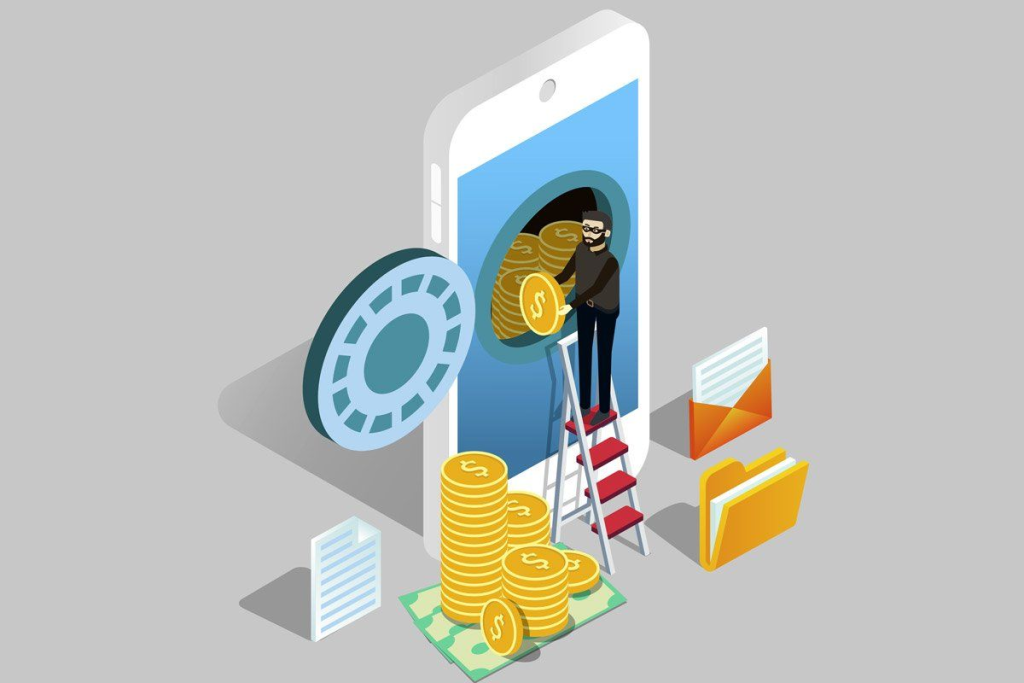
Download banking apps only from official sources. Avoid third-party apps that claim to offer banking features.
Following these steps consistently will help you maintain the best bank security habits to protect online banking logins.
Benefits of Best Bank Security Habits to Protect Online Banking Logins
- Protects your money from unauthorized transactions
- Reduces the risk of identity theft
- Builds confidence in using online banking services
- Helps detect fraud early through regular monitoring
- Keeps personal and financial data secure
- Minimizes stress related to cyber threats
- Enhances overall digital safety awareness
Disadvantages / Risks
- Requires consistent effort and attention
- Some security steps may feel inconvenient
- Two-factor authentication can slow down login
- Frequent password changes can be hard to remember
- Overconfidence may lead to ignoring new threats
Common Mistakes to Avoid
Many users unknowingly make mistakes that weaken their security. Avoid these common errors to strengthen your protection.
One major mistake is using the same password for multiple accounts. If one account is compromised, others become vulnerable as well.
Another mistake is ignoring security alerts from your bank. These alerts are designed to protect you, so always take them seriously.
Additionally, some users click on links without verifying their authenticity. This can lead to phishing attacks and data theft.
Saving passwords on public or shared devices is also risky. Always use personal devices for banking whenever possible.
Finally, delaying software updates can expose your device to known vulnerabilities. Staying updated is a key part of the best bank security habits to protect online banking logins.
FAQs
1. What is the safest way to protect online banking logins?
The safest way is to use strong passwords combined with two-factor authentication. Additionally, avoid public Wi-Fi and regularly monitor your account activity.
2. How often should I change my banking password?
It is recommended to change your password every three to six months or immediately if you suspect any suspicious activity.
3. Is mobile banking safe?
Yes, mobile banking is safe if you follow the best bank security habits to protect online banking logins, such as using secure apps and keeping your device updated.
4. What should I do if I receive a suspicious email from my bank?
Do not click any links or provide information. Instead, contact your bank directly using official contact details.
5. Can antivirus software protect my banking information?
Antivirus software adds an extra layer of protection by detecting malware, but it should be used alongside other security habits.
6. Why is two-factor authentication important?
It provides an additional layer of security, making it harder for attackers to access your account even if they have your password.
Expert Tips & Bonus Points
To go beyond the basics, consider these expert tips. Use a password manager to store and generate strong passwords. This reduces the risk of forgetting complex combinations.
Another useful tip is to enable transaction alerts. These notifications inform you of any activity in real time, allowing quick action if needed.
Also, consider using biometric authentication such as fingerprint or facial recognition. These methods add convenience without compromising security.
Avoid sharing your banking details with anyone, even if they claim to be from your bank. Genuine institutions never ask for sensitive information through unsecured channels.
Lastly, stay informed about new security trends. Cyber threats evolve, so continuous learning is essential to maintain the best bank security habits to protect online banking logins.
Conclusion
Online banking has made financial management easier than ever. However, with convenience comes responsibility. Adopting the best bank security habits to protect online banking logins is essential to safeguard your money and personal information. These habits are simple, practical, and highly effective when followed consistently.
By creating strong passwords, enabling two-factor authentication, and staying alert to potential threats, you can significantly reduce the risk of fraud. In addition, regularly monitoring your account and keeping your devices updated ensures that you remain one step ahead of cybercriminals.
It is important to remember that security is not a one-time effort. Instead, it is an ongoing process that requires attention and awareness. Even small actions, such as logging out after each session or avoiding suspicious links, can make a big difference.
In conclusion, taking control of your online security is one of the smartest decisions you can make today. By practicing the best bank security habits to protect online banking logins, you not only protect your finances but also gain peace of mind in an increasingly digital world.
